
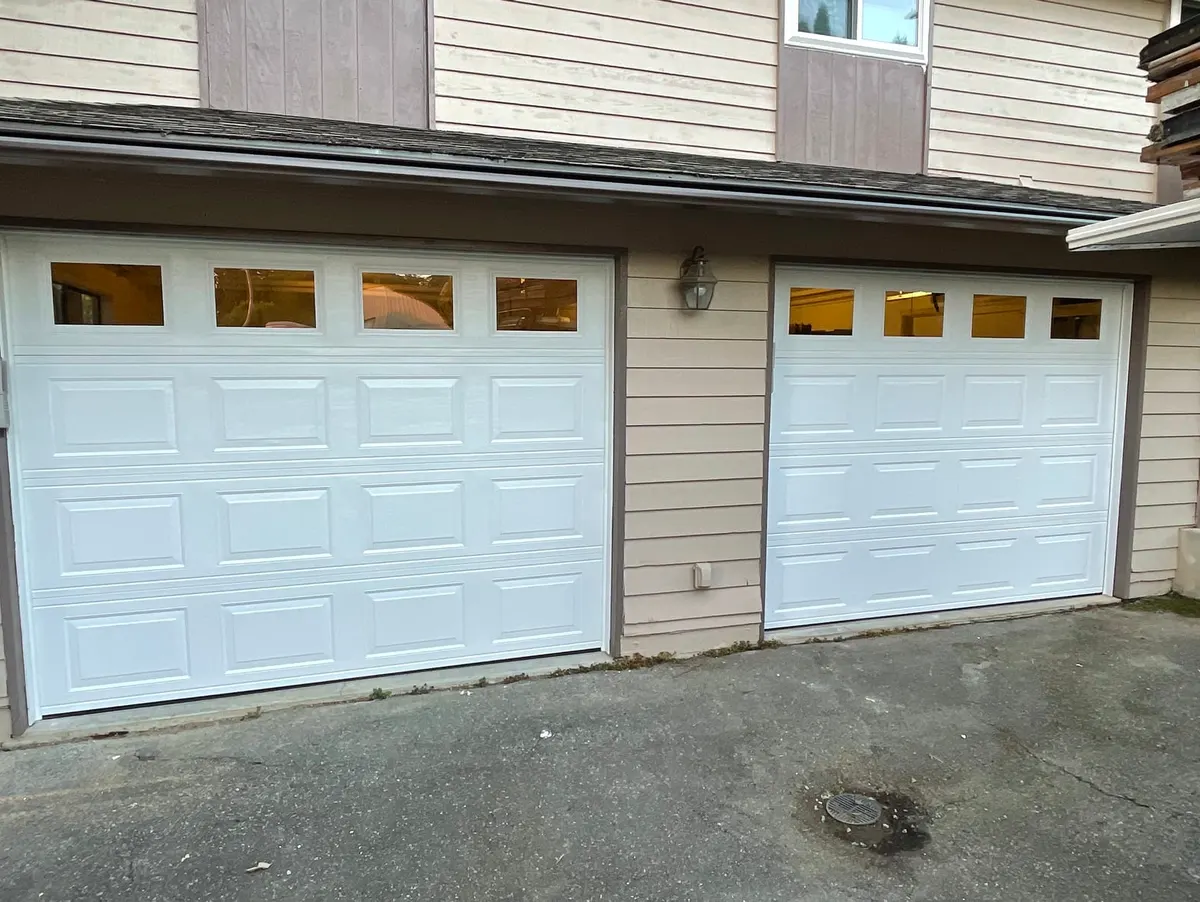
Before you sign on a home anywhere near US-231 or the coast, spend fifteen minutes alone in the garage and run through the door's wind-load rating, spring condition, track alignment, bottom seal, and opener safety reversal. Most general home inspectors glance at the door, hit the remote once, and move on — garage doors sit outside their standard scope in a lot of inspection checklists, which means the things that actually cost money later go unchecked.
Why This Matters More Here Than in Most Places
A garage door in Bay County does two jobs most buyers never think about: it keeps wind-driven rain out during afternoon downpours, and it has to hold against pressure in a named storm. Salt air corrodes hardware faster near the coast, and humidity swells wood and composite panels even on doors that look fine from the driveway. A door that passed a standard home inspection can still have a rusted spring, an out-of-code wind rating, or a seal that's been letting water in for two seasons.
The Walkthrough: What to Check and What Failure Means
- Wind-load rating label. Look for a sticker on the inside of the door or in the owner's manual showing a wind-load or impact rating. If there's no label at all, or the door was installed before the home's current wind-load requirements, you may be looking at a door that won't hold up — and won't satisfy insurance requirements — in a storm.
- Spring condition. Check the spring above the door (torsion) or along the tracks (extension) for rust, flat spots, or visible gaps in the coils. A rusted or fatigued spring can snap without warning, and replacing one isn't a DIY job — it's also one of the most common emergency calls after hurricane season humidity has had a few months to work on metal.
- Balance test. With the opener disconnected (pull the red release cord), lift the door halfway by hand and let go. It should stay roughly in place. If it drops or flies up, the springs are out of balance — meaning the opener motor has been working overtime, which shortens its life.
- Track alignment. Stand back and sight down both tracks. Gaps, bends, or rollers sitting outside the track usually mean the door has been knocked off track before — a common issue after storm winds or an accidental backing-into. A previously off-track door can have hidden stress on the hardware even if it currently runs smoothly.
- Rollers and hinges. Look for rust streaks, cracked nylon rollers, or hinges that wobble. In humid conditions these wear faster, and a failing roller eventually jumps the track.
- Bottom weatherstripping. Check the rubber seal along the bottom edge for cracking, gaps, or water staining on the garage floor beneath it. A bad seal is the easiest way for storm rain to end up pooling in the garage.
- Panel condition. Run your hand along the bottom few feet of each panel, especially on wood or composite doors. Soft spots, bubbling paint, or visible swelling point to moisture intrusion that will only get worse.
- Cable condition. Look at the lift cables near the bottom brackets for fraying strands or rust. A fraying cable is a safety issue, not just a cosmetic one.
- Auto-reverse safety test. Close the door and place a 2x4 flat on the ground in its path. The door should reverse on contact. If it doesn't, the opener's force settings are off or the safety sensors are failing — something you want fixed before anyone, especially a kid or pet, is in that garage.
When to Call Fountain Garage Door Experts
If you walk through this list and find a rusted spring, a door with no visible wind-load rating, or an opener that fails the reversal test, that's worth a professional look before closing or right after you move in. Fountain Garage Door Experts can run a full Garage Door Maintenance & Tune-Up to check balance, hardware wear, and seals in one visit, and if the springs or cables are the problem, our Garage Door Spring Repair service handles that safely — it's not something to tackle with a ladder and a YouTube video.
If you're closing on a home in Fountain, Panama City, Lynn Haven, or anywhere else in Bay County, give us a call before move-in day. We'll check what the inspection missed and tell you straight whether it's a quick fix or something bigger.